Original Development – 2019
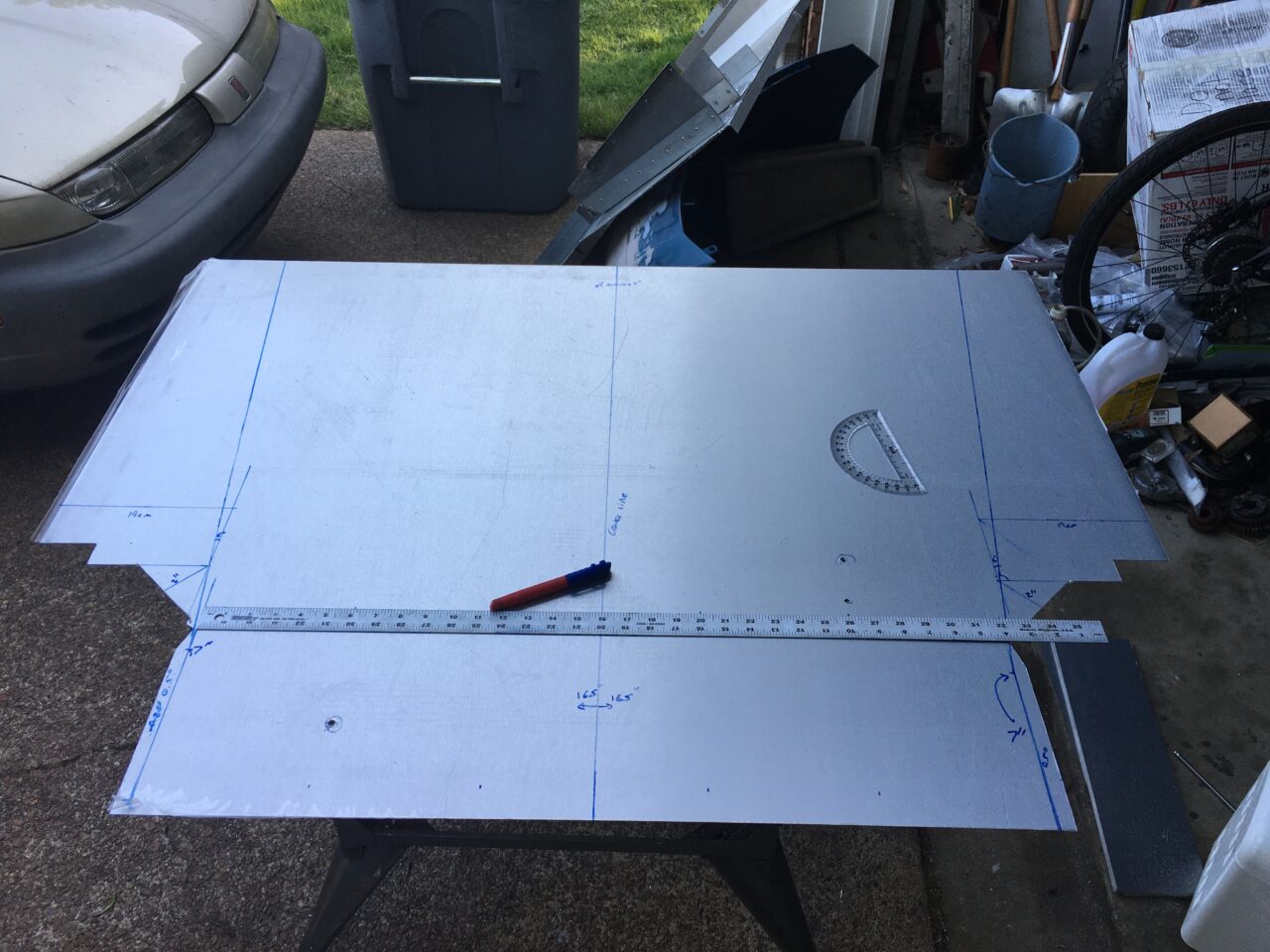
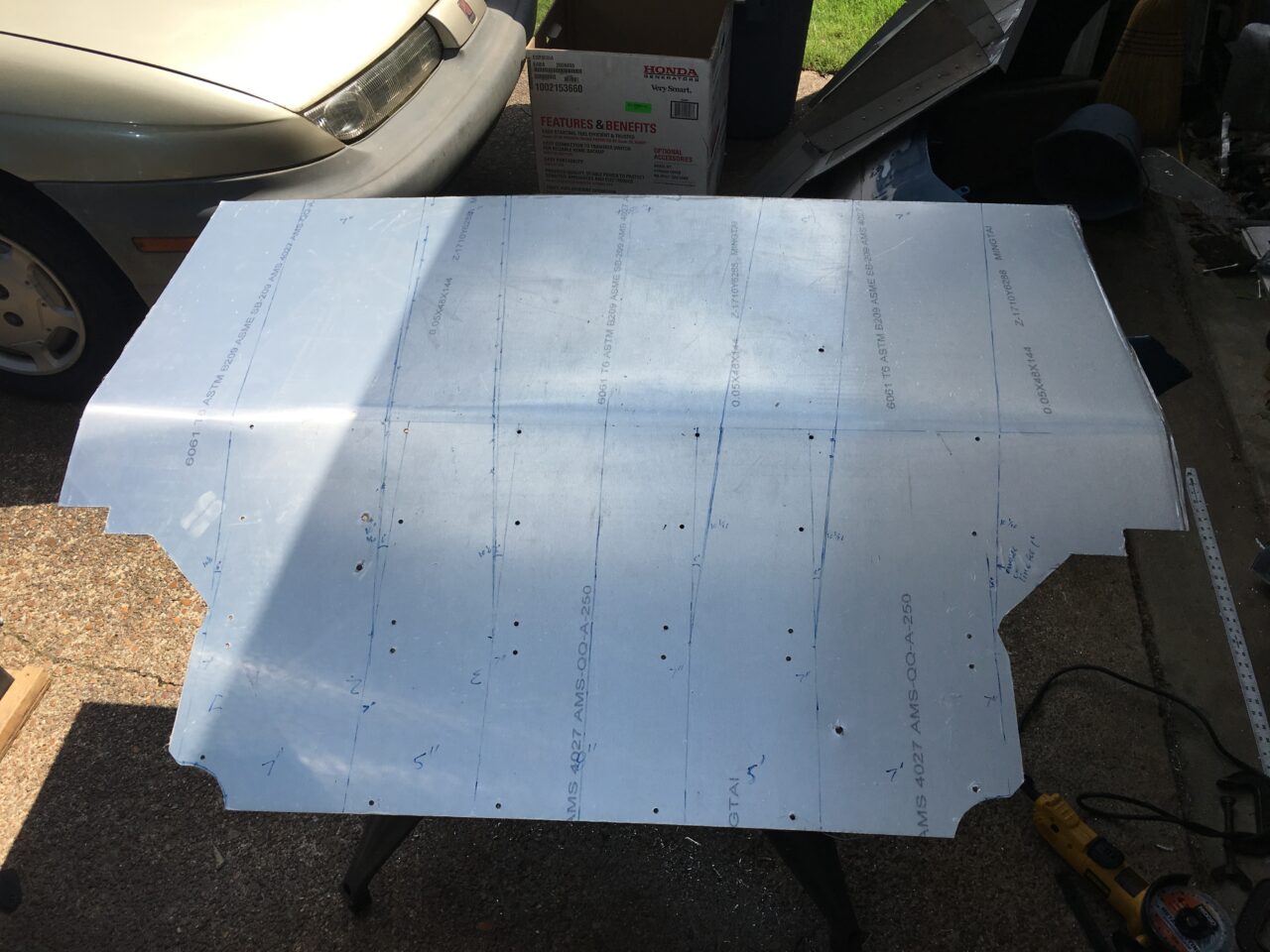
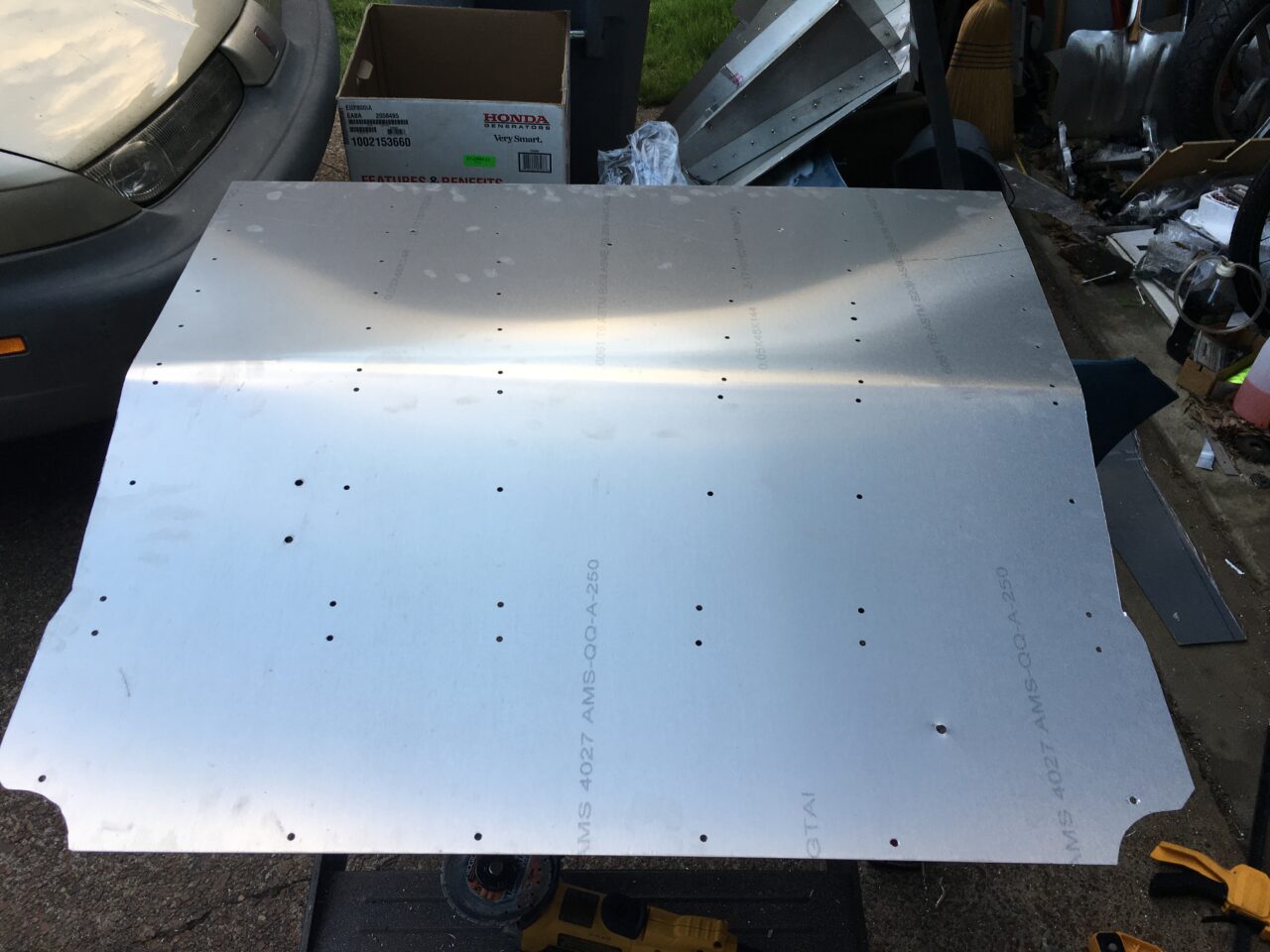
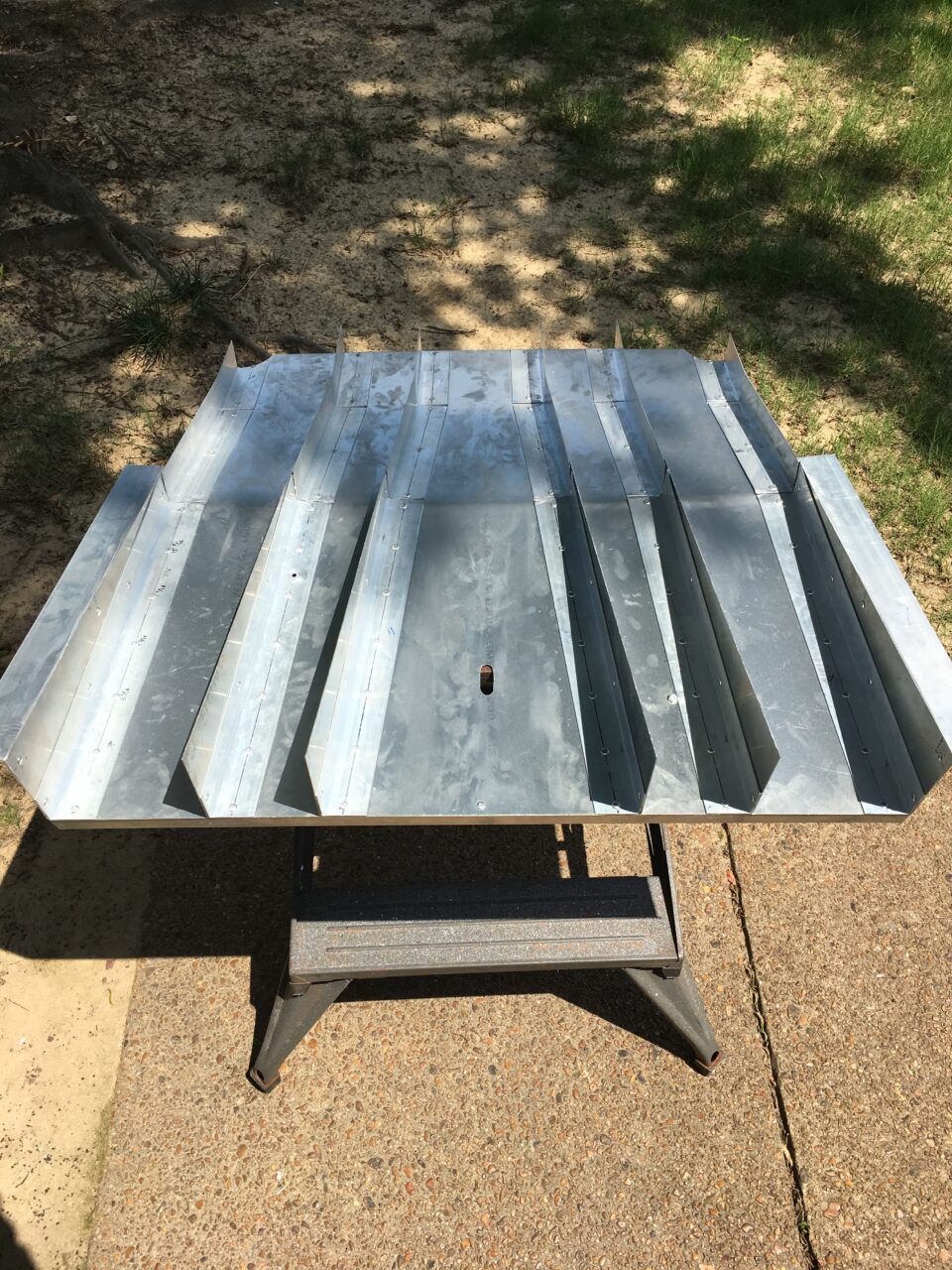
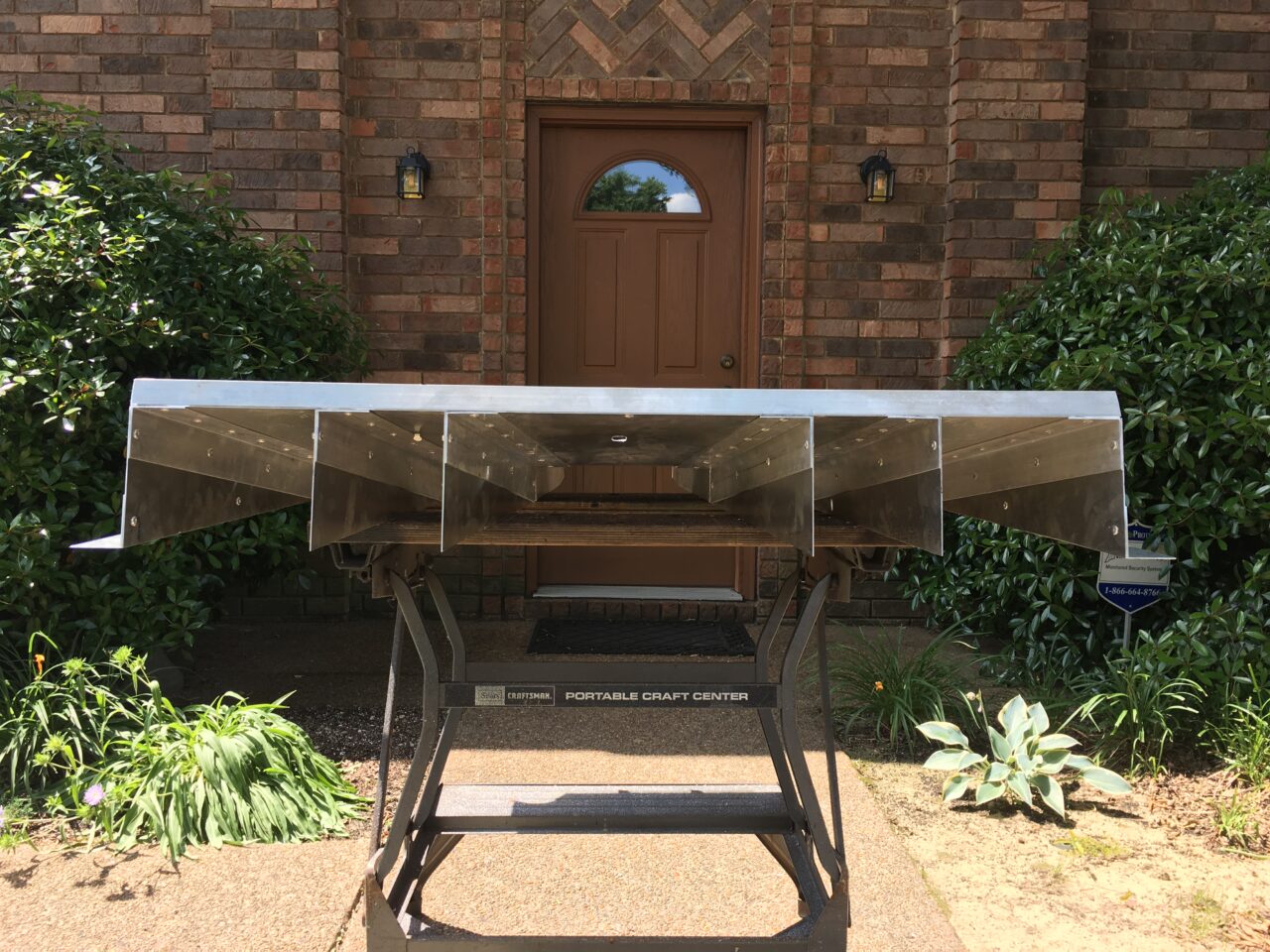
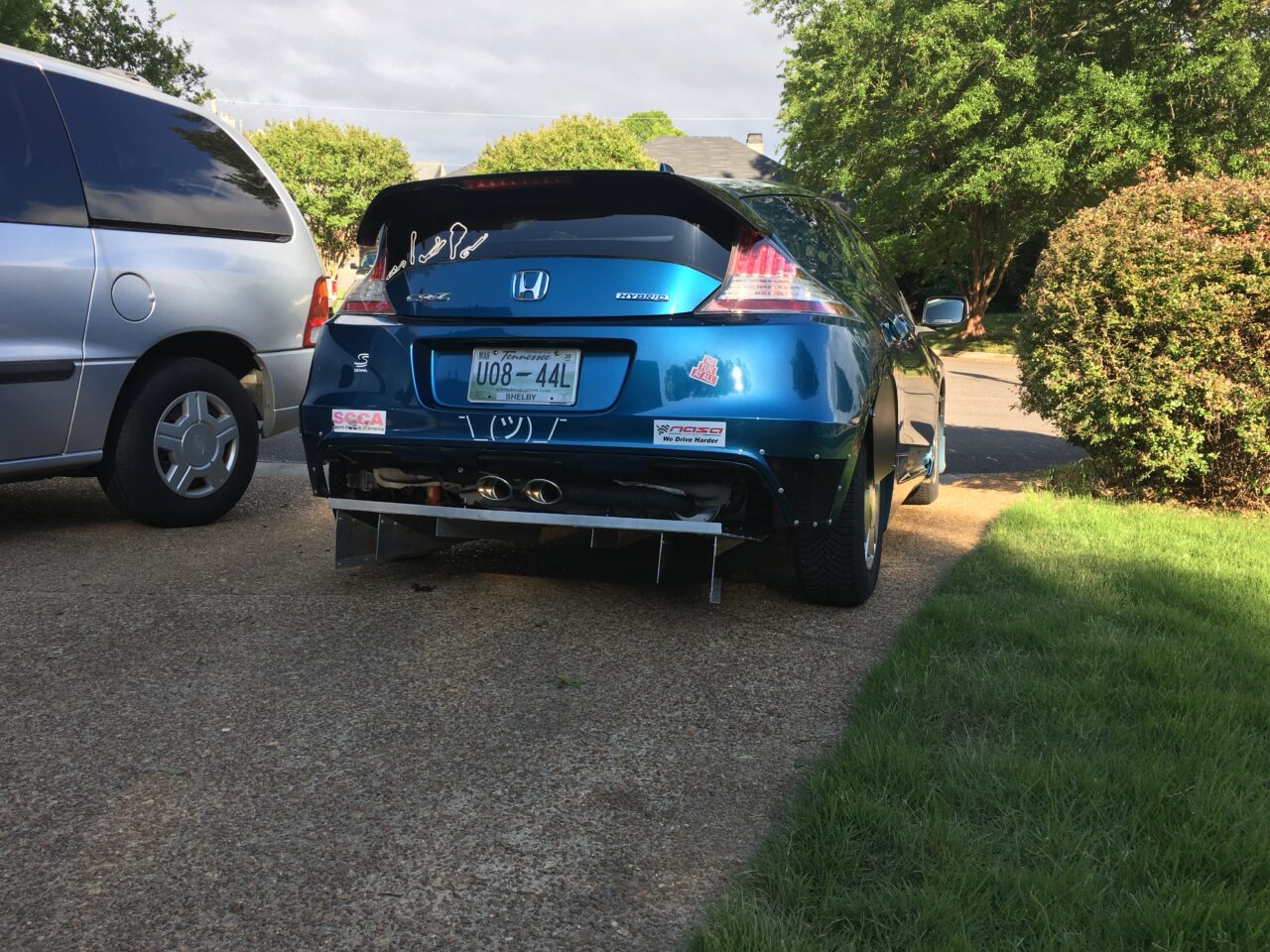
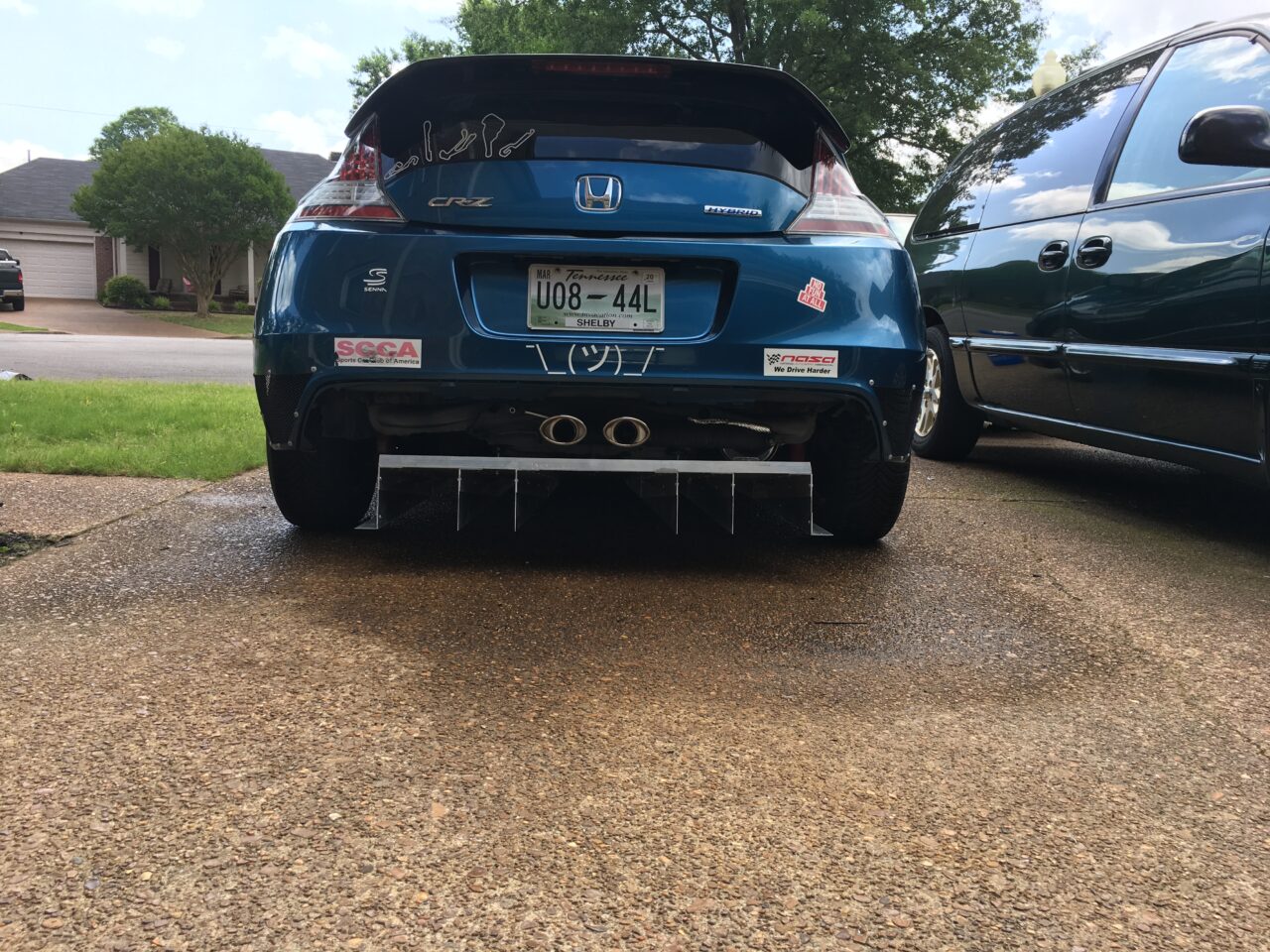
By this time, the car had already been fitted with a flat, Aluminum undertray and a rear diffuser was the next item on the list for fabrication.
Model Development – 2020
After constructing the prototype, I became interested in testing the performance of the diffuser and keeping a record of the dimensions I used. To begin this process, I made a CAD model of the diffuser I constructed so that I could iterate on the design using CFD.
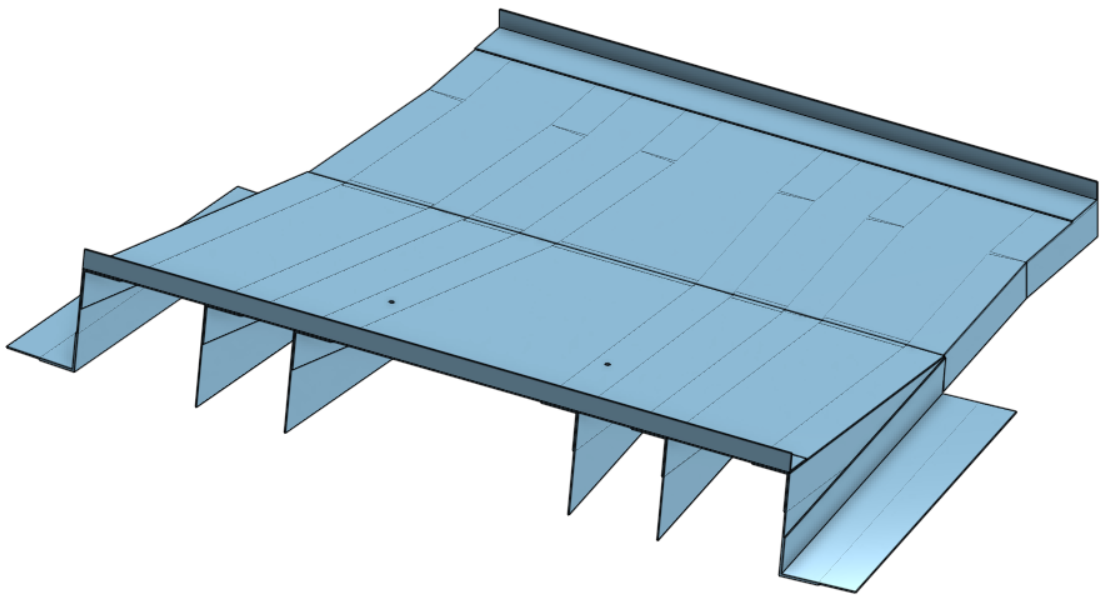
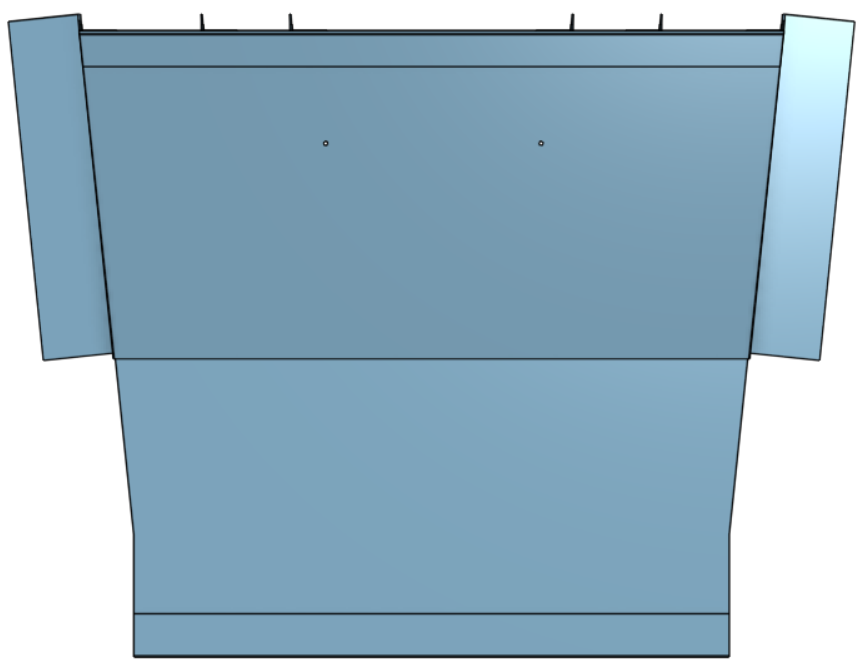

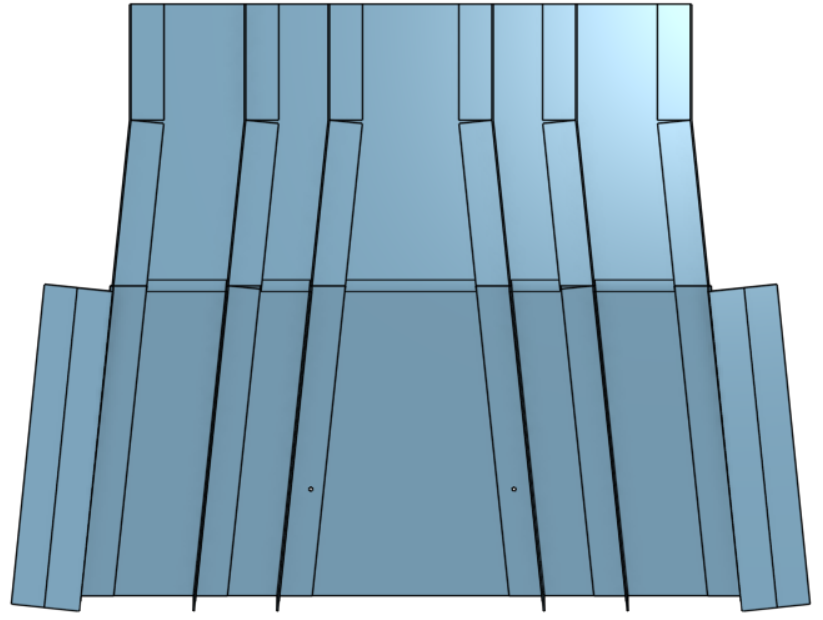
After generating this model, I quickly realized a more comprehensive model of the car would be necessary to evaluate performance. For the next several months, I measured my car and made an approximate CAD model to fit the diffuser to. After many hours of measuring and learning to use OnShape, I arrived at the following model:
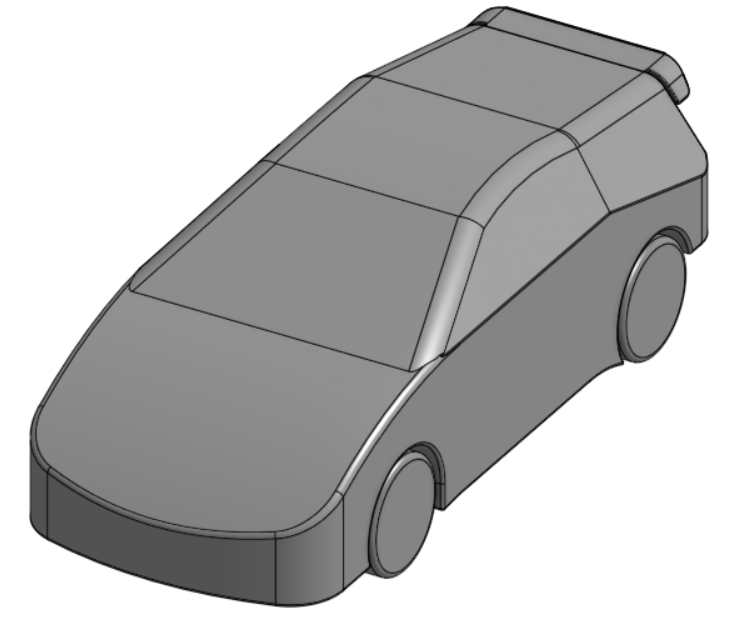
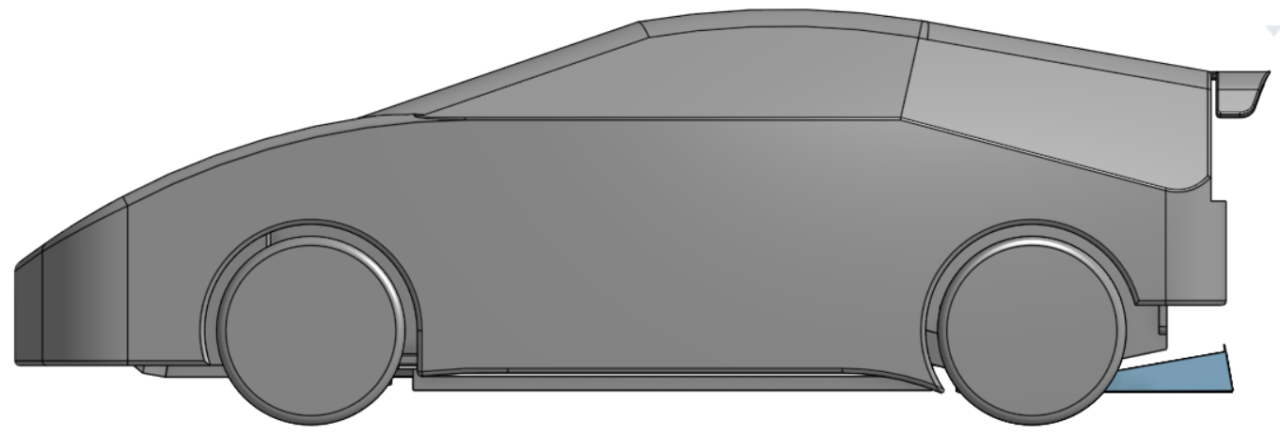
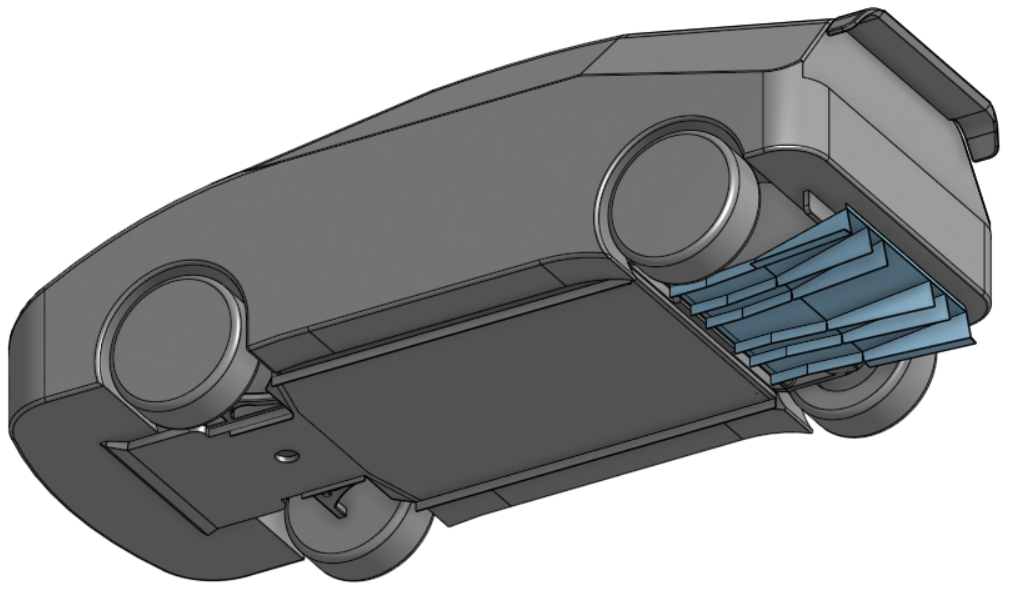
Because underbody performance was the primary interest, I gave greater attention to detail on the underside of the car.
CFD – 2020-2021
This project gave my my first run in with CFD in the form of SimScale. I ran many iterations just learning how the software worked and the different aspects to this type of simulation.
Some of the geometries I tried are depicted below:
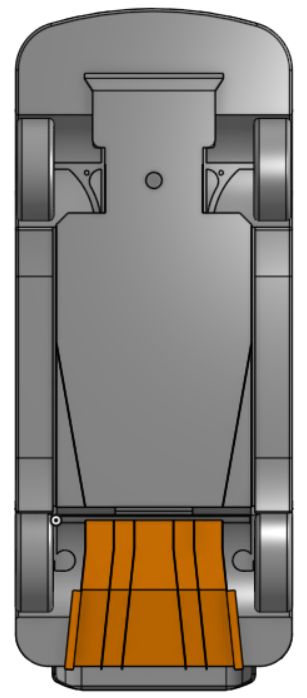
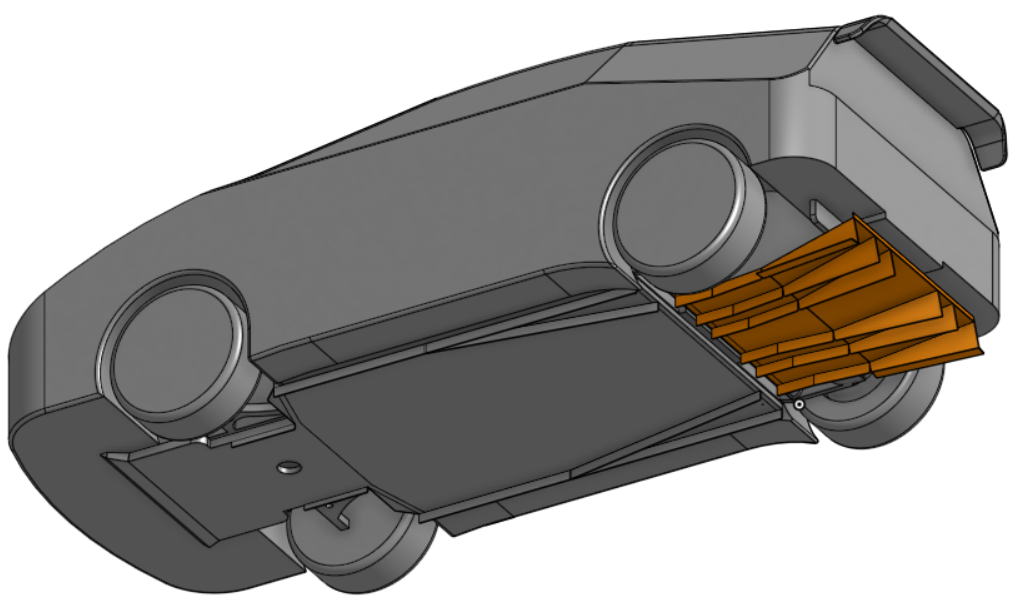
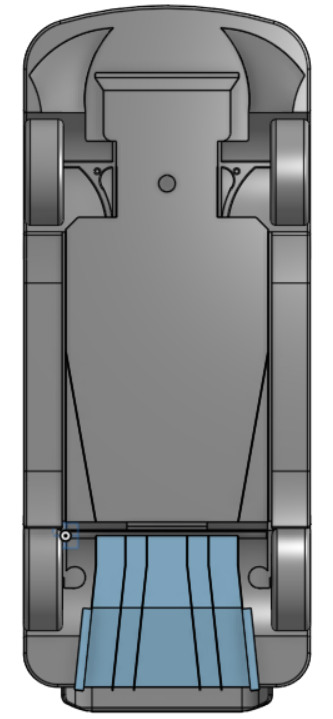
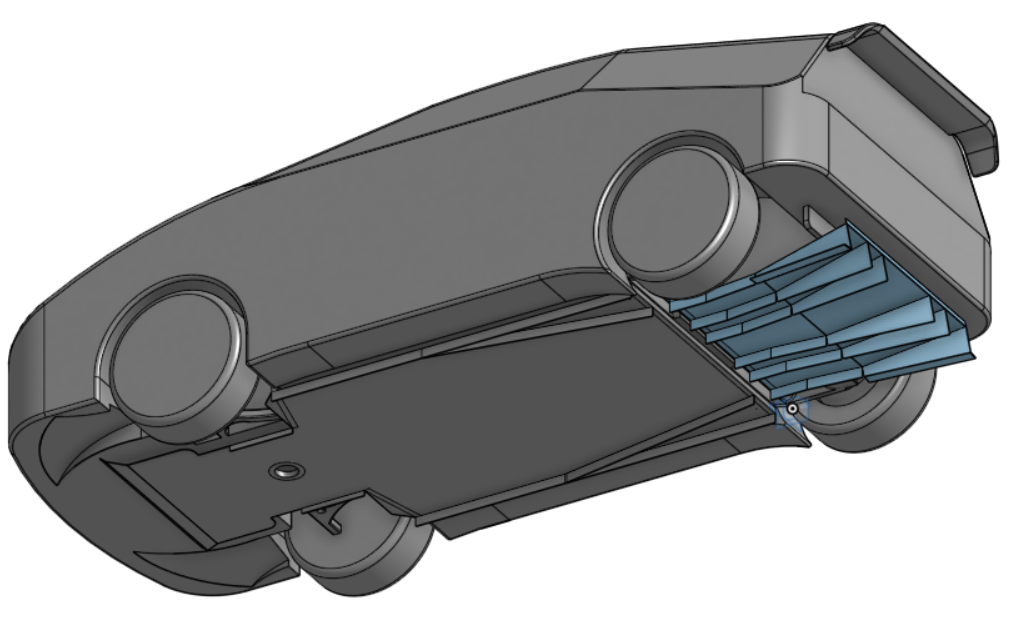
The most notable changes from the base geometry are the addition of diagonal strakes leading toward the diffuser throat and two, large front diffusers along with their combination.
Unfortunately, by CFD skills at the time were insufficient to generate any meaningful data by which to judge performance.
Research Paper – 2023
After a year or so, I placed the project on pause and tended to other matters. With some renewed interest in the project in 2023 I began searching for more information on rear diffuser design and came across this research paper with some strikingly familiar models. It seems that some students in Spain downloaded the models from SimScale and used them in their research paper published in 2022. The students made some small changes to the models to make them more suitable for CFD, notably closing a few surfaces most of which were present as a result of the construction technique I used in making the original diffuser back in 2019.
This use of the models I created some years prior to the publication is allowed under the SimScale privacy policy. However, the paper claims the models to be entirely original along with the other geometries I demonstrated previously. Without this claim of originality, there is little substance to the paper as all methods used to simulate the models were acknowledged to be well known. I contacted the author of the paper, now a Junior Aerodynamics Engineer for the Alpine F1 Team, about the use of the models and the claim of their originality and was met with a claim of ignorance about the origin of the models. I have made efforts to be granted at least a citation in the paper, but to no avail as of yet.
Leave a Reply